
From the Shadows Into Light
/
Guest Writer: Jonathan
If you’re reading this, there’s a good chance some part of my story will feel familiar. I grew up in a deeply religious home where faith was the lens through which we understood the world. It brought light, meaning, and a sense that the gospel held answers to every human struggle.
In my mid-teen years, after being introduced to pornography, I slipped quickly into compulsive use. Photos, videos, and stories that exposed the female figure - especially in sexual situations- gave me short bursts of pleasure, but over time they left me drowning in shame, unworthiness, anxiety, and depression. I wanted freedom, and the only solution I knew was to turn to my church and the gospel of Jesus Christ as I understood it.
I spoke with my ecclesiastical leader, who offered counsel but had no real experience or training. His intentions were good, but the advice often left me feeling more broken, more ashamed, and more desperate to escape those feelings.
That pattern continued for more than 30 years. I stayed active in my church, met with multiple leaders, and was repeatedly told to try harder for perfection in the gospel “checklist”. My prayers felt one-sided. Scriptures read in my state of mind only seemed to confirm my fears that I wasn’t enough. I sat in church longing for connection, for someone to throw me a lifeline.
I didn’t find it.
Instead, much of the teaching and discussion reinforced the mentality and approach of the leaders whose help I sought. I discovered that many men around me were silently fighting the same battle. I wish I had spoken up when guys confided in me, but fear kept me quiet. I was terrified of being seen as the sinner I believed myself to be.
The first real spark of hope came when I sat in a room with a dozen other men and listened to one of them share his deepest struggles with addiction. He sobbed as he spoke, but he kept going. And then something sacred happened—love, acceptance, and validation poured over him from every man in that room. I felt it rise in me too, unmistakably the Savior’s love. I watched him receive it, watched fear give way to belonging.
That moment changed me. I learned that when a person’s fear of being rejected—if truly seen—shifts into the realization that they are loved and immeasurably valuable to God, no matter where they are on their spiritual path, something powerful happens. That shift creates the very energy needed to move forward. It becomes the antidote to the shame that keeps us stuck and unable to change.
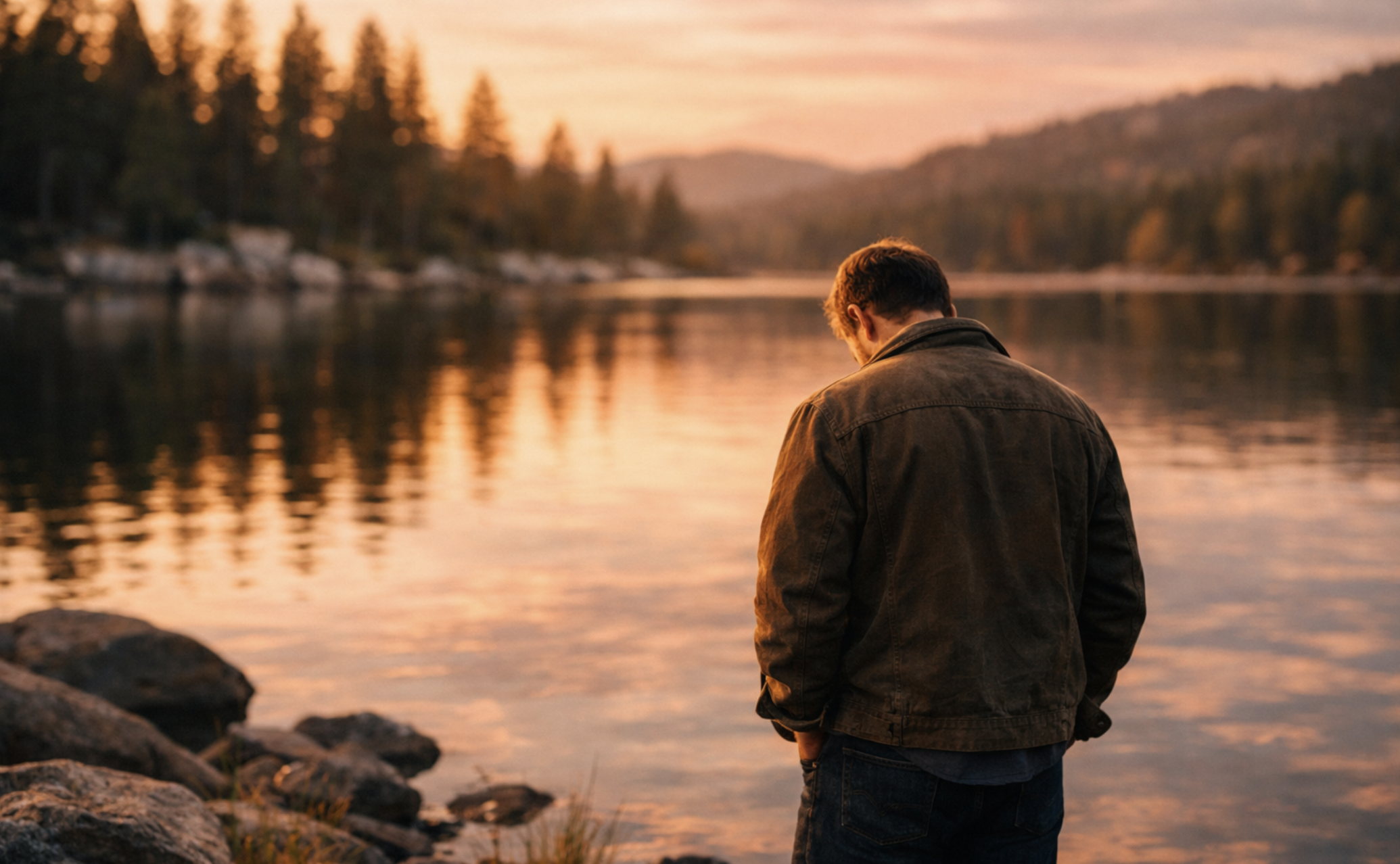
I’ve experienced that same healing personally. One profound healing moment happened on the shore of Bear Lake in Utah. I stood on a makeshift stage in front of thirty men at a retreat for those seeking healing from trauma and addiction. The task was simple and terrifying: share our deepest shame for one minute.
I have had several friends take their own lives. I grieved at learning about friends’ silent battles at their funerals. For years, I have spoken openly about struggling with anxiety, depression, and feelings of never belonging, hoping that might give a struggling soul permission to speak before it was too late. But there were a few things I swore I would take to the grave unspoken to anyone—dark, ugly parts of my story I believed would make me unlovable.
Something shifted at Bear Lake. I said it all.

I became the sobbing man I had once watched. And when I looked into the eyes of those thirty men, all I saw was love, empathy, and acceptance. This unlocked an invisible barrier in my soul that kept me from feeling God’s love. That night, I experienced God sharing His love for me - and not despite my flaws as I had believed before. He taught me that even in the darkest, ugliest hours of my poorest choices, He was there as my safety net. He loved those moments for the opportunity they gave Him to show up in my life and heal me through His Son, Jesus Christ!
There is something sacred in sharing the deepest parts of our stories in appropriate settings—not the generalized “we all struggle” kind, but the honest “I” statements that reveal who we really are. That kind of vulnerability invites connection instead of comparison. Stepping out of the shadows and placing our shame in the light and allowing ourselves to be seen is one of the most transformational things I have witnessed.
This is the beauty of Unashamed Unafraid. As Sam said in episode 207, “This podcast originally started on the idea that sharing a story helped combat the shame that drives sexual addiction. That’s what we are. That’s what we do. Unashamed Unafraid is a story podcast.”
The stories shared on this podcast, in recovery and therapy rooms, in parked cars of struggling friends, and on late-night phone calls have saved my life. Sometimes through telling my own story, but more often through receiving someone else’s.
If you haven’t yet found a safe place to share your story—including the parts you fear most—reach out to us. The world needs your story, and you deserve the healing that comes from speaking it aloud.